


Who This Is For
Residential solar is suitable for homeowners who want to reduce electricity usage from the grid and make better use of their rooftop space. It is commonly suitable for landed homes with available roof area and good sunlight exposure.

Terrace houses

Semi-detached houses

Bungalows
Cluster houses
High daytime electricity usage
High daytime electricity usage
Home Solar Benefits
Solar can help businesses make better use of available roof space while reducing dependency on grid electricity during the day. With the right system design, solar energy can support daily operations, improve energy efficiency, and provide better control over long-term electricity expenses.
Reduce Electricity Usage from the Grid
Solar panels generate electricity during the day, allowing your home to use solar energy directly for daily appliances, air-conditioning, lighting, and other household needs.
Support Long-Term Electricity Cost Planning
With a properly designed solar system, homeowners can better manage part of their monthly electricity usage and plan ahead for long-term energy costs.
Make Better Use of Rooftop Space
By generating electricity where it is used, your property can operate with a more efficient and practical energy setup.
Enjoy a More Energy-Conscious Home
Installing solar helps homeowners understand their energy usage better and take a practical step towards cleaner, more efficient living.
ATAP / SELCO Overview
Residential solar in Malaysia may involve different programmes or arrangements depending on the homeowner’s needs, eligibility, and current regulations. Two common areas homeowners may come across are ATAP Solar and SELCO.
ATAP Solar generally refers to rooftop solar installation for residential properties, allowing homeowners to generate solar energy from their own roof.
SELCO, or Self-Consumption, allows the generated solar energy to be used directly by the property. This means your home can use solar power during the day and draw from the grid when solar generation is not available.
Our team can help explain the available options and guide you based on your property type, electricity usage, and project requirements.
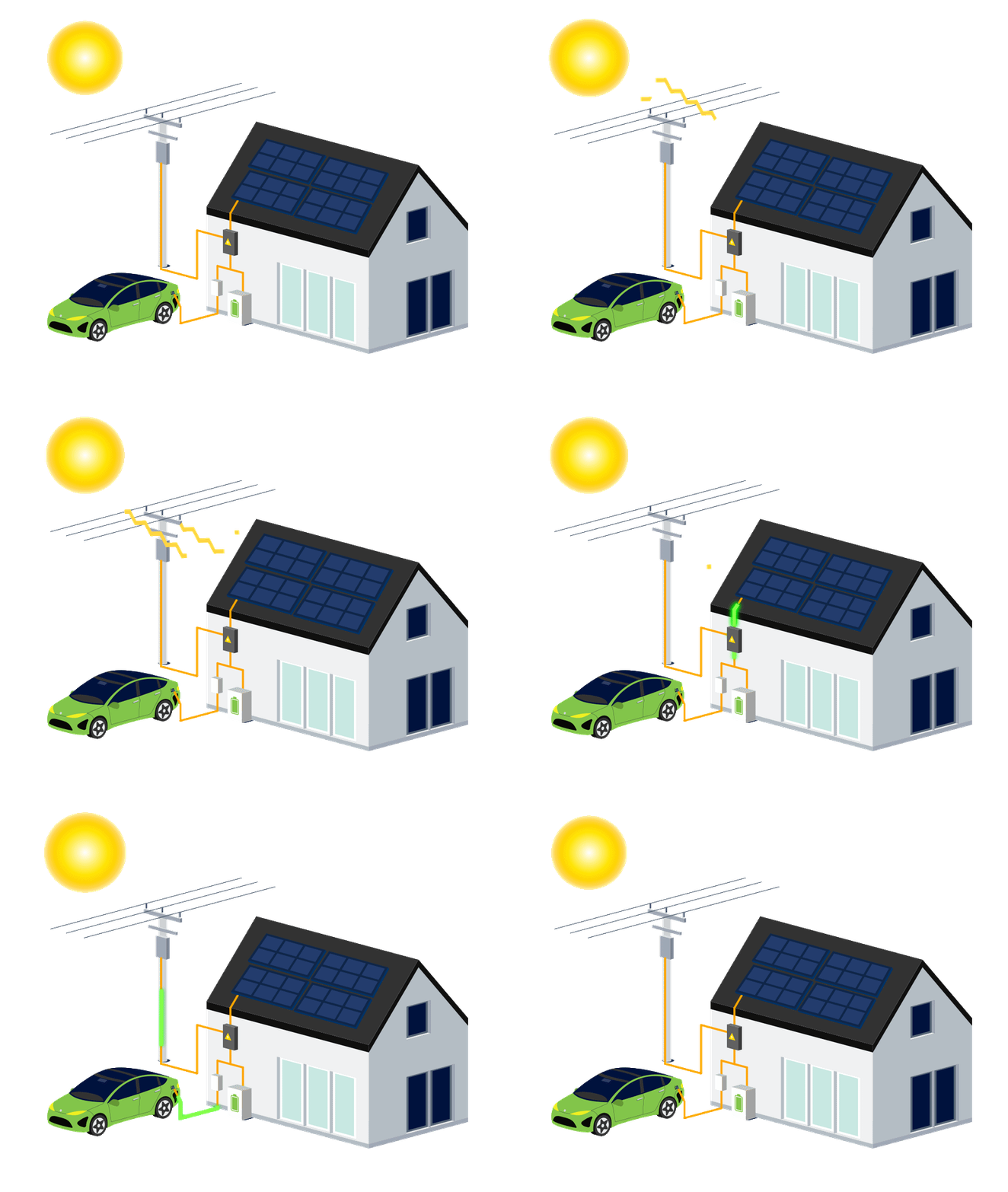
Step-by-Step Process
01
Consultation & Requirement Study
Our team begin by understanding your business, electricity usage, site condition, and project goals.
This helps us identify the right direction before moving into technical planning.
02
Load Analysis &
Site Assessment
We review your energy usage pattern, roof space, shading, structure, and installation conditions to better understand your solar potential.
03
System Design & Proposal
A solar system is designed based on your energy needs, available space, and technical requirements.
We then provide a proposal with the recommended system direction and estimated performance.
04
Installation & Commissioning
Once the project is approved, our team carries out the installation, testing, and commissioning to ensure the system is ready for operation.
05
Monitoring &
After-Sales Support
After installation, we provide ongoing support to help ensure the system continues to operate safely, efficiently, and reliably.
Before &
After Solar
Before solar, businesses rely mainly on grid electricity to support daily operations.
After installing solar, part of the daytime electricity demand can be supported by solar energy generated on-site, helping reduce grid dependency and improve energy cost control.

Before Solar
Installed Capacity (kWp): 6 kWp
Estimated Monthly Yield: 720 kWh
After Solar
Installed Capacity (kWp): 6 kWp
Estimated Monthly Yield: 720 kWh
How Residential Solar Works
For residential solar, homeowners usually use the solar energy generated by their rooftop system during the day. Depending on the selected solar arrangement, any excess energy may be exported to the grid or managed based on the applicable programme requirements.
Under programmes such as NEM Rakyat, solar energy generated from the rooftop can be used by the home first, while excess energy may be exported to the grid to help offset part of the electricity bill.
Our team can help review your usage and explain which option is more suitable for your home.
Let us give you an example:

Mr. Tan uses around 1,200 units of electricity per month for his home.
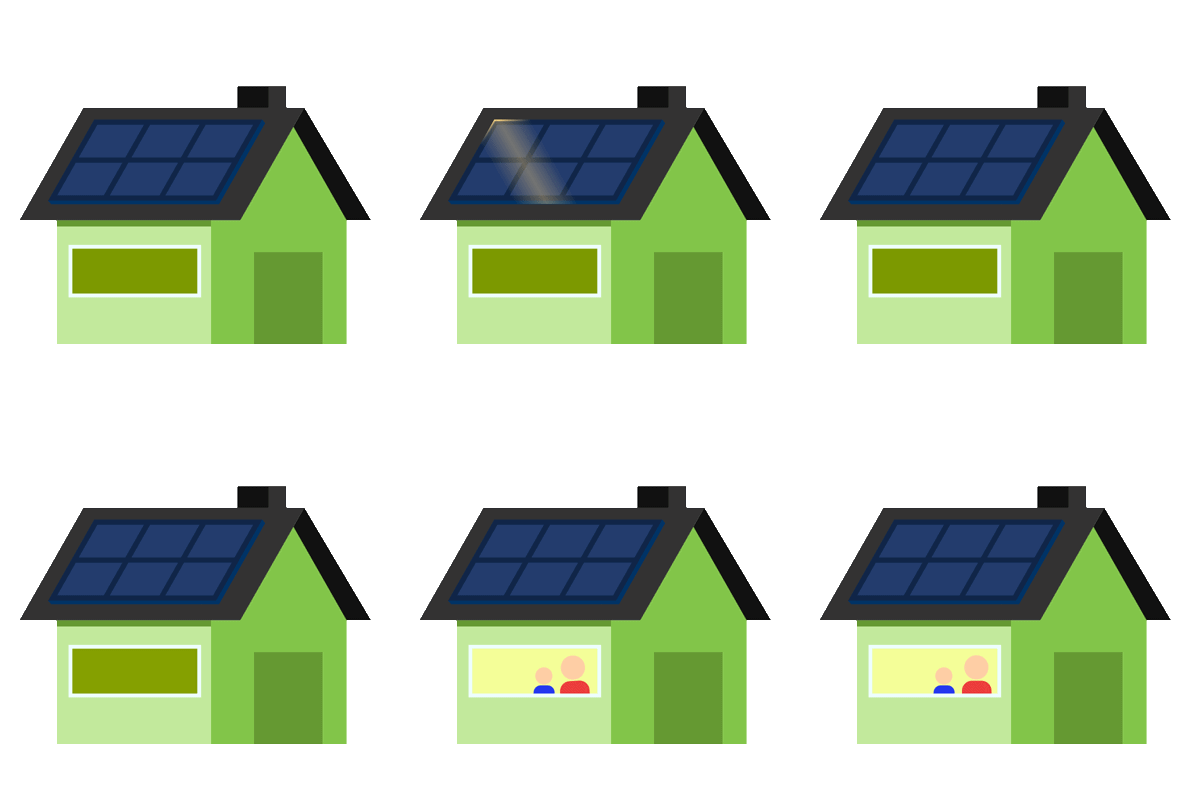
After installing Solar PV system, which generates 900 units of solar energy per month.

At the end of the month, Mr. Tan’s home only needs around 300 units of electricity from the grid.

450 units are used directly during the day for household usage.

450 units of excess solar energy may be exported to TNB grid, depending on the applicable solar arrangement.

Before solar:
1,200 units used per month
After solar:
1,200 units - 900 units of solar energy
= 300 units from the grid
With solar, Mr. Tan can reduce his grid electricity usage and manage his monthly energy cost more efficiently.
This is an example scenario only. Actual savings may vary depending on electricity usage, system size, roof condition, sunlight exposure, tariff rate, and applicable solar programme.
Let’s Talk About Your Solar Project
Whether you are planning for your business, factory, or home, our team is ready to help you understand the right solar solution for your needs.